

Mindful Space | Last updated October 2026
Autism is present from early development, but it is not always recognised during childhood. Some people grow up knowing that social situations, sensory environments, or unexpected changes feel unusually demanding, without an explanation that brings these experiences together.
An adult autism diagnosis can provide that missing context. Assessment looks at long-standing patterns rather than suggesting that autism has appeared later in life, helping someone understand both the difficulties they have faced and the ways they have learned to adapt.
A Late Autism Diagnosis Identifies a Lifelong Developmental Pattern
A late autism diagnosis means that autistic traits have been recognised in adolescence or adulthood rather than childhood. It does not mean that the person has suddenly become autistic or that their earlier experiences were unrelated.
Looking back, some adults recognise patterns involving friendships, sensory sensitivities, routines or highly focused interests that were present from an early age. These traits may have been manageable within familiar surroundings before adult responsibilities made them more difficult to accommodate.
Autism May Remain Unrecognised Until Adulthood
Some autistic adults spoke early, performed well academically or did not match traditional assumptions about how autism should appear. Their difficulties may instead have been interpreted as shyness, anxiety, sensitivity, perfectionism or simply part of their personality.
Recognition can also be delayed when family members or teachers provide enough structure to make everyday demands manageable. Moving away from home, starting work, managing relationships, or becoming a parent can remove that support and reveal how much effort daily life requires.
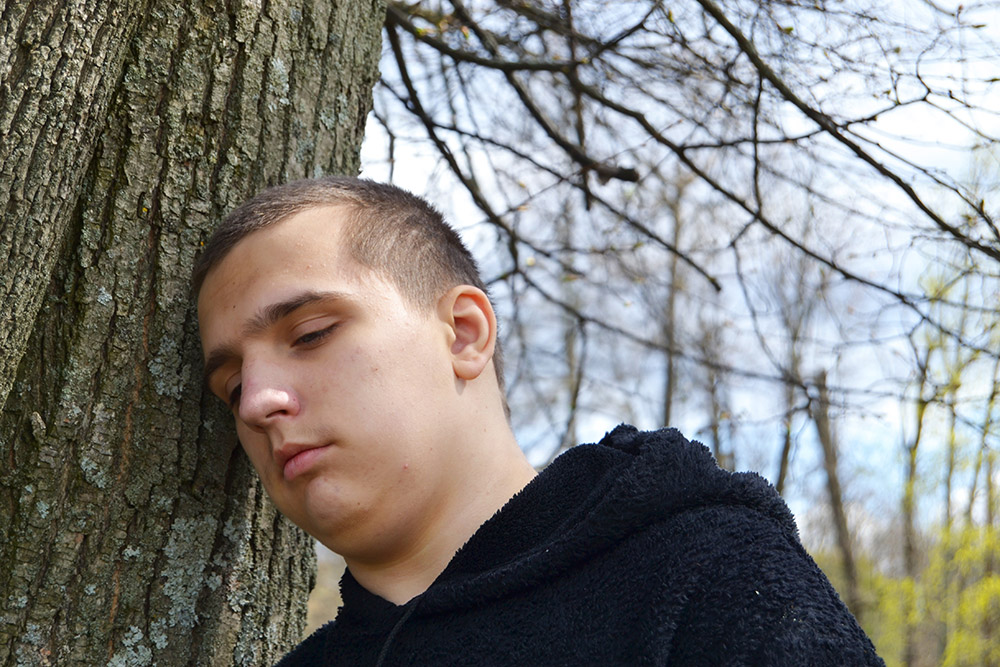
An autism diagnosis in adulthood can provide context for social, sensory and routine-related experiences that began much earlier in life.
Autistic Masking Can Delay Diagnosis in Adults
Masking involves concealing autistic traits or consciously adapting behaviour to meet social expectations. Someone may copy other people’s expressions, rehearse conversations, force eye contact, suppress natural movements, or carefully study social rules in different settings.
Research into autistic masking has explored why adults use these strategies and the effort involved in maintaining them. Masking can help someone appear socially comfortable while leaving them exhausted, anxious or uncertain about how they naturally communicate and respond.
Long-Standing Autistic Traits May Prompt an Adult Assessment
Relating to one or two autistic traits does not necessarily mean that someone is autistic. Assessment may be helpful when a broader pattern has been present for many years and continues to affect comfort, relationships or everyday functioning.
Experiences that may lead an adult to consider assessment include:
- Finding unspoken social rules difficult to interpret
- Rehearsing conversations or reviewing them repeatedly afterwards
- Becoming overwhelmed by noise, light, textures or crowded environments
- Relying heavily on routines and finding unexpected changes distressing
- Developing intense or highly focused interests
- Needing considerable recovery time after social interaction
- Finding it difficult to identify or communicate personal needs
- Experiencing repeated exhaustion or burnout after sustained periods of coping
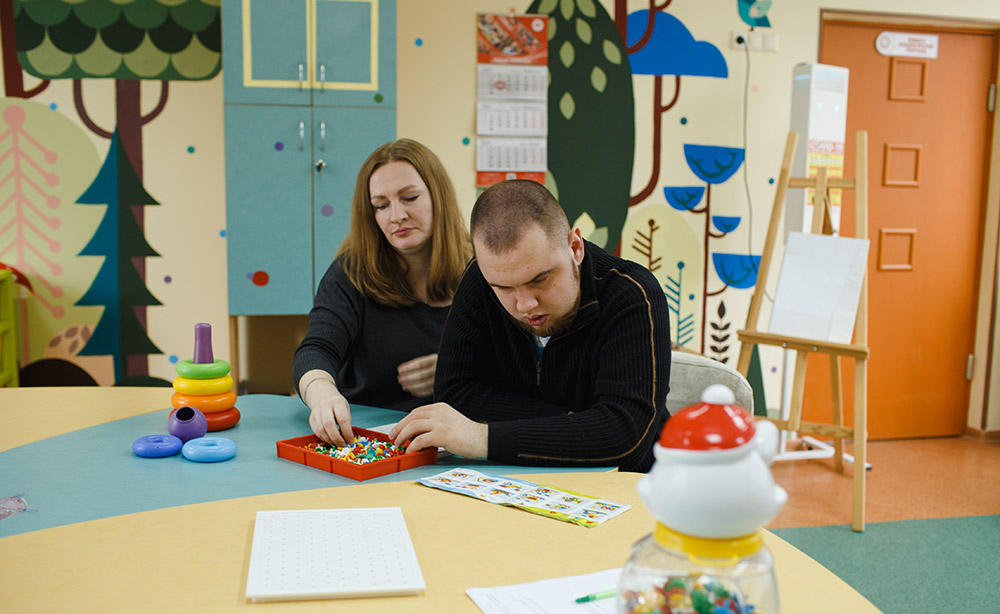
An adult autism assessment explores childhood development alongside current experiences at home, at work, and within relationships.
An Adult Autism Assessment Explores Earlier and Current Experiences
An adult autism assessment explores early development, education, friendships, communication, sensory experiences, routines, and interests. It also provides space to discuss current difficulties, coping strategies, and how these experiences affect work, relationships, and everyday life.
Questionnaires, school reports or information from someone who knew the person during childhood can add useful context where available. However, many adults do not have detailed childhood records, and this does not automatically prevent assessment. Once the process is complete, the findings and any recommendations are explained clearly.
A Late Autism Diagnosis Can Bring Relief and Difficult Emotions
Receiving an autism diagnosis can bring relief by providing an explanation for experiences that previously felt confusing or were blamed on personal shortcomings. It may also validate the effort that has gone into navigating social situations, sensory discomfort and everyday expectations.
Other feelings can emerge alongside that relief. Some adults experience sadness about missed support, uncertainty about what the diagnosis means or frustration that their difficulties were not recognised sooner. There is no correct emotional response, and understanding the diagnosis can take time.
Support After an Adult Autism Diagnosis Should Reflect Everyday Needs
A diagnosis does not require someone to change their personality or disclose personal information before they are ready. Its practical value lies in helping them understand their needs and decide which forms of support could make daily life more manageable.
Depending on the person’s circumstances, support may involve:
- Learning more about their autistic traits, strengths and needs
- Reducing avoidable sensory demands at home or work
- Planning routines that include flexibility and recovery time
- Requesting reasonable adjustments in education or employment
- Developing clearer ways to communicate needs and boundaries
- Seeking support for anxiety, low mood, burnout or other concerns
- Deciding when and how to discuss the diagnosis with other people
An Adult Autism Diagnosis Can Bring Earlier Experiences into Focus
Being diagnosed with autism later in life can provide a more compassionate way to understand earlier difficulties. Experiences that once appeared unrelated may begin to make sense as part of how someone has experienced the world throughout their life.
At Mindful Space, we give adults the opportunity to discuss both the difficulties other people may have noticed and those they have worked hard to conceal. This helps us provide clear findings and recommendations that reflect each person’s experiences, circumstances and support needs.
Book an Online Adult Autism Assessment with Mindful Space
If long-standing social, sensory or routine-related difficulties may be affecting your daily life, book an online adult autism assessment with Mindful Space. Our clinician-led assessments are available throughout Ireland and provide clear feedback and practical recommendations based on your experiences and support needs.
FAQs About Late Autism Diagnosis in Adults
What is a late autism diagnosis?
A late autism diagnosis is an autism diagnosis received during adolescence or adulthood rather than childhood. It recognises autistic traits that have been present for many years, even if their meaning was not previously understood.
Can autism be diagnosed in adulthood?
Yes, autism can be diagnosed at any stage of adult life. Assessment considers present-day experiences alongside childhood development to explore whether they form a long-standing autistic pattern.
What are the signs of autism in adults?
Signs may include difficulty interpreting social expectations, sensory sensitivities, a strong reliance on routine, highly focused interests and exhaustion after social interaction. Autism presents differently between people, so assessment considers the overall pattern rather than one particular trait.
Why are some people diagnosed with autism later in life?
Autism may be missed when someone performs well academically, masks their difficulties or does not fit familiar stereotypes. Supportive childhood environments can also make traits less noticeable until adult responsibilities become more demanding.
Why is autism sometimes missed in women?
Autistic women may develop detailed ways to copy social behaviour or conceal discomfort, making their difficulties less visible to others. Their experiences may instead be attributed to anxiety, sensitivity, perfectionism or other mental health concerns.
What does an adult autism assessment involve?
An adult autism assessment explores developmental history, communication, relationships, sensory experiences, routines, interests and current daily functioning. Clinical conversations may be supported by questionnaires, previous records and information from someone who knows the person well.
Do I need childhood records for an adult autism assessment?
No, a lack of childhood records does not automatically prevent an adult autism assessment. The memories and information that are available can be considered alongside present-day experiences and long-standing patterns.
Does a parent or family member need to take part?
Information from someone who knew you during childhood can sometimes provide helpful context, but it may not always be available or appropriate. The clinician can explain what supporting information would be useful and how the assessment can proceed in your circumstances.
What happens after an adult autism diagnosis?
The findings should be explained clearly, with recommendations based on the difficulties and priorities discussed during assessment. Support may include sensory adjustments, workplace recommendations, psychological support or practical changes to routines and communication.
Can an adult autism assessment take place online?
Yes, Mindful Space provides clinician-led online adult autism assessments throughout Ireland. The online process allows you to discuss your experiences privately from home while completing the required conversations and questionnaires.