

Understanding Autism as a Spectrum
Autism has been described in different ways over time. Today, it is usually understood as Autism Spectrum Disorder, which reflects the wide range of ways autism can affect communication, sensory processing, routines, emotional regulation and daily life.
This does not mean autism looks the same for everyone. One autistic person may have strong verbal skills but significant sensory sensitivities, while another may need more visible support with communication, daily routines or emotional regulation. Understanding autism as a spectrum helps move the focus away from fixed labels and towards the person’s individual profile.
Why Autism Can Look Different from Person to Person
Autism can affect people differently depending on age, environment, communication style, sensory needs, masking, co-existing conditions and the level of support available. Some children may show clear signs early in development, while others may not be recognised until school demands, social expectations or emotional pressures increase.
In adults, autism may become clearer after years of feeling different, socially exhausted or overwhelmed by sensory environments without knowing why. Some people have learned to mask their difficulties for a long time, which can make autism less visible to others while still affecting daily life internally.
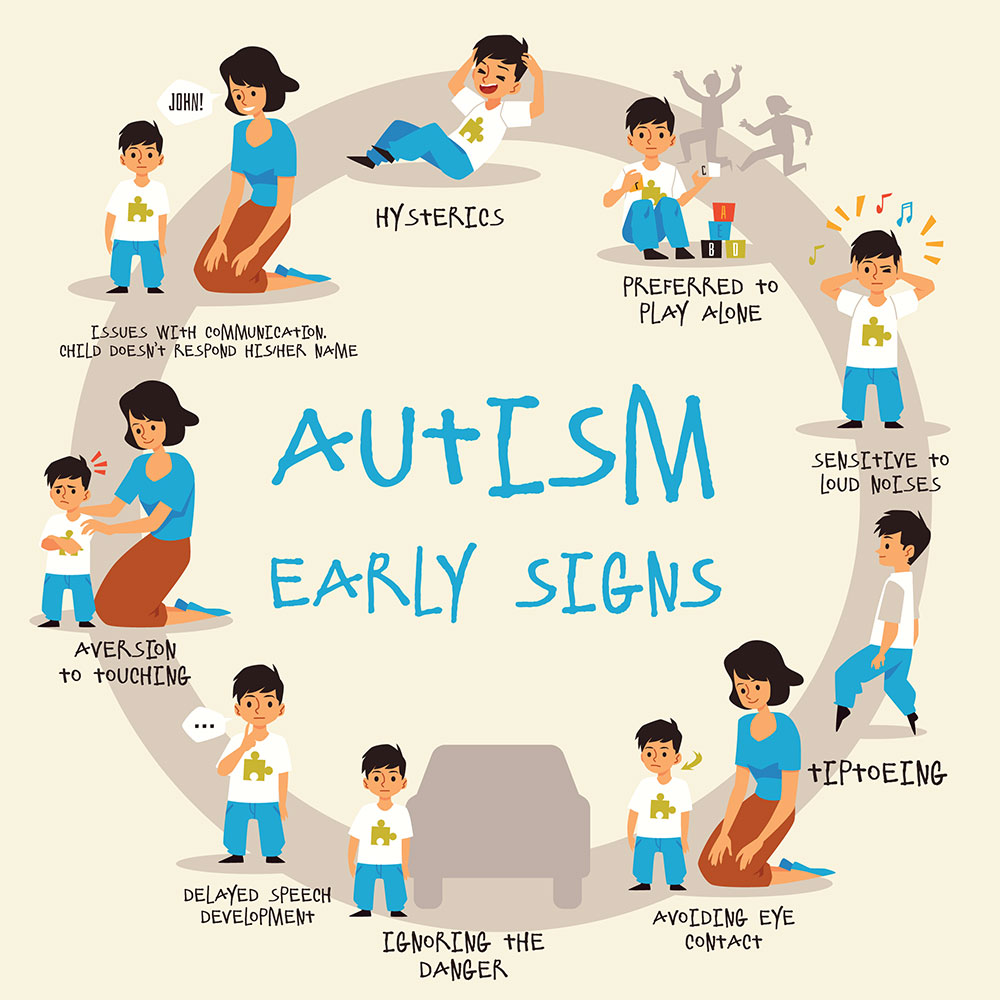
Autism may affect communication, sensory processing, routines, emotional regulation and daily life differently for each person.
Older Autism Terms and Changing Language
Some older terms are still familiar to many families and adults, including Asperger’s syndrome, “mild autism” or “high-functioning autism”. These terms were often used to describe autistic people with certain communication styles, intellectual abilities or levels of independence.
Current clinical language usually focuses on Autism Spectrum Disorder rather than separate autism types. This is important because older labels can sometimes hide real support needs. Someone described as “high-functioning” may still experience significant sensory overwhelm, emotional exhaustion, social difficulty or burnout.
Common Signs and Presentations of Autism
Autism signs and symptoms can vary widely. Some people may have needs that are easy for others to see, while others may appear to manage well but struggle internally with sensory input, social expectations or changes in routine.
Common signs and presentations of autism may include:
- Differences in social communication or interaction
- Difficulty understanding unspoken social cues
- Sensory sensitivities involving sound, touch, lights, textures or food
- Strong preference for routines, predictability or familiar environments
- Distress around unexpected change or transitions
- Focused interests or intense attention to specific topics
- Repetitive behaviours, movements or patterns
- Masking or camouflaging difficulties in social settings
- Emotional overwhelm, shutdowns or meltdowns
- Fatigue after social, sensory or emotional demands
What Autism Support Levels Can Mean
Autism support levels are sometimes used to describe how much support a person may need in daily life. These levels are not personality types or fixed categories. They are a way of considering how autism affects communication, flexibility, independence and everyday functioning.
Support needs can also change over time. A person may manage well in one environment but need more support during stress, transitions, school pressure, workplace demands or periods of burnout. This is why assessment should look beyond a simple label and consider how the person is functioning in real life.
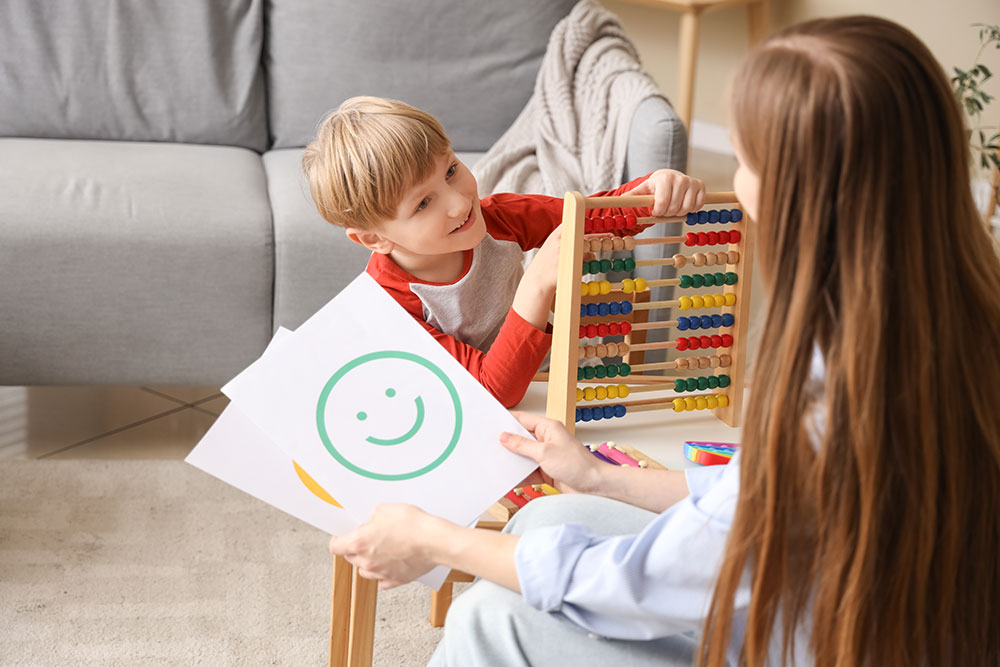
Support needs can vary over time depending on environment, stress, sensory demands and daily functioning.
Why Labels Do Not Tell the Whole Story
Two people with the same autism diagnosis can have very different strengths, challenges and support needs. One person may be highly verbal but struggle with sensory overload and social exhaustion. Another may need more support with communication, daily living skills or emotional regulation.
This is one reason labels such as “mild” or “severe” can be too limited. They may describe how autism appears to other people, but not always how it feels for the autistic person. A fuller understanding comes from looking at communication, sensory needs, routines, emotional wellbeing, independence and the person’s own experience.
When an Autism Assessment May Be Helpful
An autism assessment may be helpful when patterns around communication, sensory sensitivities, routines, social interaction or emotional regulation are affecting daily life. For children, this may include concerns at home, in school or with friendships. For adults, it may include long-standing social exhaustion, masking, burnout or difficulty understanding why certain environments feel so overwhelming.
Assessment can help clarify whether autism is present and what support may be appropriate. It can also identify related needs, such as anxiety, ADHD, sleep difficulties or functional challenges, so recommendations are based on the full picture rather than one symptom alone.
Getting Clearer Guidance Around Autism
If you are trying to understand autism for yourself or your child, you do not need to work through the uncertainty alone. Mindful Space provides online Autism assessments across Ireland, with clear clinical guidance and personalised recommendations based on individual strengths, needs and support goals.
FAQs
Are there different types of autism?
Autism is now usually diagnosed as Autism Spectrum Disorder rather than as separate types. However, autistic people can present in very different ways, with different communication styles, sensory needs, strengths and levels of support.
Is Asperger’s still used as a diagnosis?
Asperger’s syndrome is an older diagnostic term that is now generally included within Autism Spectrum Disorder. Some people still identify with the term, but current assessments usually focus on the person’s full autism profile and support needs.
What does mild autism mean?
“Mild autism” is an informal term and can be misleading. It may suggest that someone has fewer visible support needs, but they may still experience significant sensory overwhelm, social exhaustion, anxiety, masking or difficulty with daily functioning.
Can autism look different in adults and children?
Yes, autism can look different across age groups. Children may show signs through play, communication, sensory responses, routines or school difficulties, while adults may notice patterns around masking, social fatigue, burnout, routines or sensory overwhelm.
When should someone seek an autism assessment?
An autism assessment may be helpful when communication differences, sensory sensitivities, routines, social difficulties, masking or emotional regulation challenges are affecting daily life. Assessment can help clarify whether autism is present and what support may be appropriate.