

Understanding the Difference Between ADHD and Anxiety Symptoms
It can be frustrating and unsettling when you know something is affecting your focus, emotions or ability to cope, but you cannot tell whether it is anxiety, ADHD, stress or something else. For some people, these experiences are linked mainly to anxiety. For others, they may be connected to ADHD or to both conditions at the same time.
Understanding the differences between ADHD and anxiety symptoms can help make these patterns easier to recognise. However, symptoms can overlap, so a structured clinical assessment is often needed when difficulties are affecting work, relationships, study or day-to-day functioning.
Why ADHD and Anxiety Can Be Difficult to Tell Apart
ADHD and anxiety can both affect focus, motivation, sleep, memory and emotional regulation. Someone with anxiety may struggle to concentrate because their mind is occupied by worry, while someone with ADHD may struggle because attention is difficult to regulate, even when they are not anxious.
From the outside, both may look like avoidance, procrastination or poor follow-through. Internally, however, the experience can be very different. Anxiety may make tasks feel frightening or overwhelming, while ADHD can make it difficult to start, organise or complete tasks even when the person wants to do them.
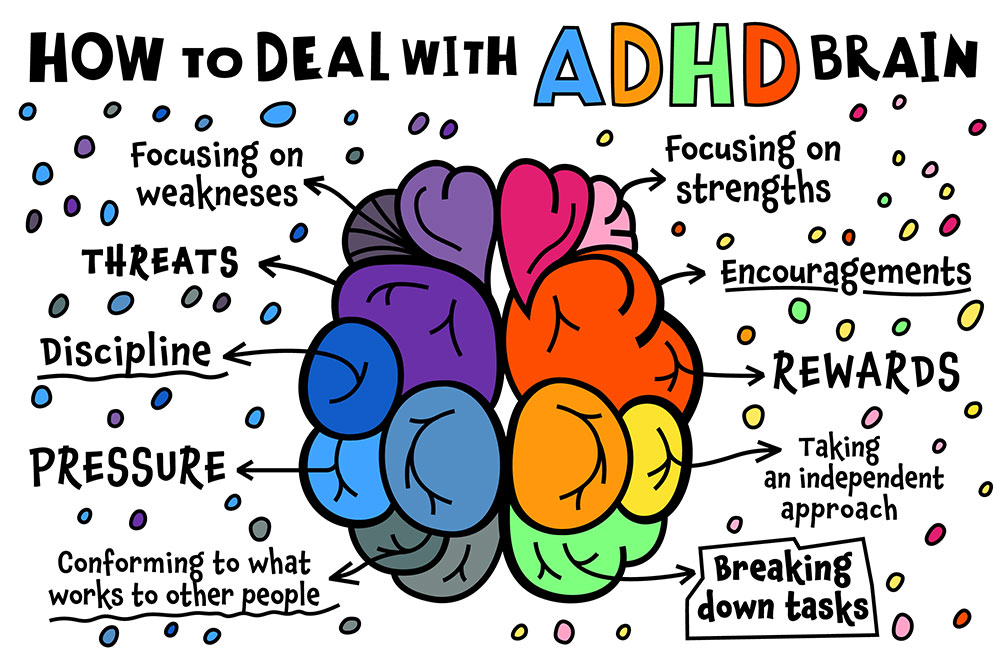
ADHD and anxiety can both affect focus, restlessness and emotional regulation, making symptoms difficult to separate.
ADHD vs Anxiety Symptoms: Where They Overlap
ADHD and anxiety can share several symptoms, especially in adults. These overlaps can make it harder to understand whether one condition, both conditions, or another factor may be involved. It can also be confusing when symptoms change depending on stress levels, environment, sleep, workload or emotional pressure.
Common overlapping symptoms may include:
- Difficulty concentrating or staying focused
- Restlessness or feeling unable to relax
- Racing thoughts or mental overload
- Sleep difficulties
- Irritability or emotional sensitivity
- Avoidance of tasks or responsibilities
- Procrastination
- Feeling overwhelmed by everyday demands
- Trouble completing work, study or household tasks
The important question is not simply whether these symptoms are present, but what tends to trigger them and how long they have been happening. ADHD is a neurodevelopmental condition, so symptoms often follow a longer pattern, even if they were not recognised earlier in life.
When Symptoms May Point More Towards ADHD
Symptoms may point more towards ADHD when difficulties with attention, organisation, time management and task completion have been present for many years. Adults with ADHD may feel unable to start tasks, prioritise steps, remember details, manage time or stay focused long enough to finish what they intended to do.
ADHD can also affect emotional regulation. This may include becoming frustrated quickly, feeling overwhelmed by small setbacks, making impulsive decisions, or feeling constantly behind despite trying hard to keep up with daily responsibilities.

A structured assessment can help explore whether focus difficulties are linked to ADHD, anxiety or another factor.
When Symptoms May Point More Towards Anxiety
Symptoms may point more towards anxiety when concentration problems are closely linked to worry, fear, uncertainty or a sense of threat. A person may find it hard to focus because their mind is repeatedly drawn back to concerns about mistakes, health, work, relationships, social judgement or the future.
Anxiety may also cause physical tension, panic symptoms, reassurance-seeking, difficulty relaxing or avoidance of situations that feel unsafe or overwhelming. For some people, anxiety is tied to specific triggers, while for others it feels more general and persistent.
Can ADHD and Anxiety Happen Together?
ADHD and anxiety can happen together. In some cases, anxiety may develop after years of trying to manage undiagnosed ADHD, especially when difficulties with deadlines, organisation, forgetfulness or emotional regulation have led to repeated stress or criticism.
Anxiety can also make ADHD symptoms feel more intense. Worry and tension can reduce working memory, increase avoidance and make it harder to plan or complete tasks. This can be exhausting, especially when someone is trying hard but still feels as though they are falling behind.
Why a Clear Assessment Matters
When ADHD and anxiety symptoms overlap, the right support depends on understanding what is driving the difficulty. Treating anxiety alone may not fully help if ADHD is also present, while focusing only on ADHD may miss anxiety symptoms that need support.
A structured assessment can explore symptom history, daily functioning, emotional wellbeing, concentration, executive functioning and co-existing mental health concerns. This can help clarify whether symptoms are more consistent with ADHD, anxiety, both, or another factor.
Getting Support for ADHD or Anxiety
If you are unsure whether ADHD, anxiety or both may be affecting your daily life, you do not need to work it out alone. Mindful Space provides online ADHD assessments, psychiatric consultations and therapy support across Ireland, helping you access clearer guidance and practical next steps.
FAQs
Can ADHD be mistaken for anxiety?
Yes, ADHD can sometimes be mistaken for anxiety because both can affect concentration, sleep, emotional regulation and task completion. Assessment can help explore whether symptoms are more consistent with ADHD, anxiety, or both.
Can anxiety look like ADHD?
Anxiety can look like ADHD when worry makes it difficult to focus, remember information or stay organised. The difference often depends on whether concentration problems are mainly driven by worry or reflect a longer-standing pattern of attention and executive functioning difficulties.
Can you have ADHD and anxiety at the same time?
Yes, it is possible to have both ADHD and anxiety. Some people develop anxiety after years of struggling with undiagnosed ADHD, while others have both conditions independently.
Is poor concentration a sign of ADHD or anxiety?
Poor concentration can be linked to ADHD, anxiety, low mood, sleep problems, stress or other factors. In ADHD, it is often part of a longer pattern of attention regulation problems. In anxiety, focus may be disrupted by worry, fear or mental tension.
When should I get assessed for ADHD or anxiety?
You may want to consider an assessment if problems with focus, worry, restlessness, emotional overwhelm or daily functioning are affecting work, study, relationships or quality of life. Assessment can help clarify what may be contributing and what support may be appropriate.